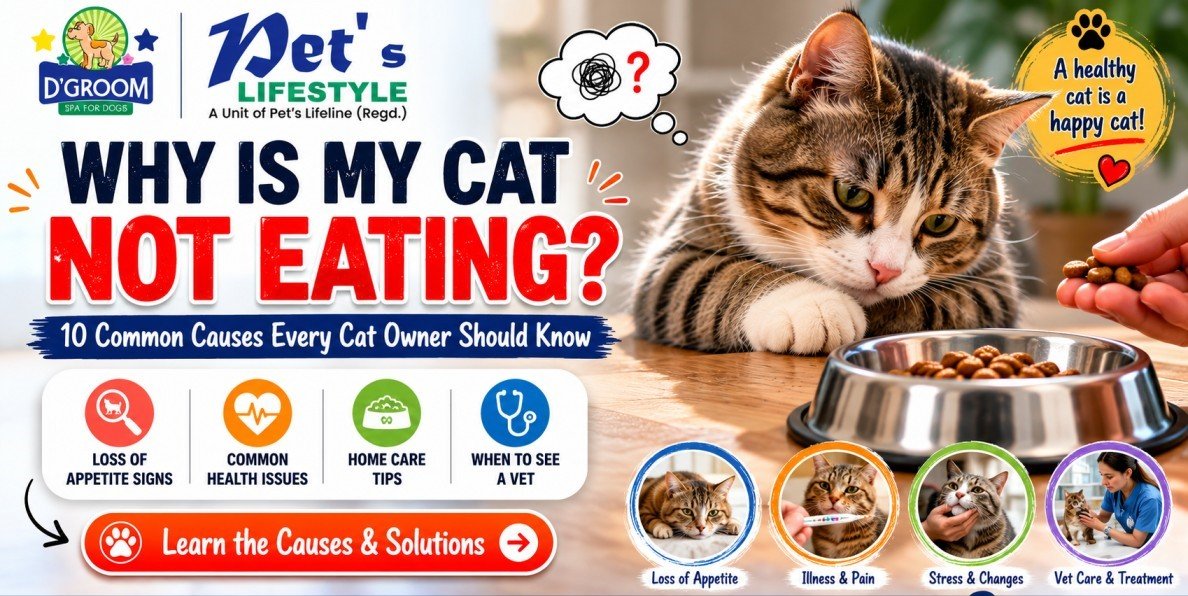
Why Is My Cat Not Eating? 10 Common Causes and Solutions
If your cat suddenly stops eating, it’s natural to be concerned. Cats are known for being selective eaters, but a prolonged loss of appetite can indicate an underlying health problem. A cat that refuses food for more than 24 hours should never be ignored, as it may lead to serious health complications.
Whether your feline friend is turning away from their favorite meal or showing no interest in food at all, understanding the possible causes can help you take the right action before the situation becomes serious.
Why Appetite Matters in Cats
Unlike many other animals, cats can develop a dangerous condition called hepatic lipidosis, or fatty liver disease, if they go without food for an extended period. Even a few days of not eating can have serious consequences.
A healthy appetite is often one of the best indicators of your cat’s overall health and well-being.
1. Dental Problems
Painful dental conditions such as gum disease, broken teeth, oral infections, or mouth ulcers can make eating uncomfortable.
If your cat approaches food but walks away after sniffing it or appears to chew on one side of the mouth, dental issues may be the cause.
Solution
Schedule a veterinary dental examination and maintain regular oral hygiene.
2. Stress and Anxiety
Cats are creatures of habit. Changes in their environment, new pets, loud noises, moving homes, or alterations in routine can trigger stress-related appetite loss.
Even minor environmental changes can significantly affect a sensitive cat’s eating habits.
Solution
Provide a calm environment, maintain routines, and consider pheromone diffusers recommended by veterinarians.
3. Gastrointestinal Issues
Digestive problems such as stomach upset, constipation, inflammatory bowel disease, or intestinal parasites can cause nausea and appetite loss.
Symptoms often include vomiting, diarrhea, abdominal discomfort, or weight loss.
Solution
Consult a veterinarian for proper diagnosis and treatment.
4. Respiratory Infections
Cats rely heavily on their sense of smell when eating. Upper respiratory infections can block their nasal passages, making food less appealing.
Common signs include sneezing, nasal discharge, watery eyes, and lethargy.
Solution
Seek veterinary care and offer warm, aromatic food to encourage eating.
5. Kidney Disease
Chronic kidney disease is common in older cats and frequently causes reduced appetite.
Affected cats may also drink more water, urinate frequently, and lose weight over time.
Solution
Early diagnosis and specialized dietary management can improve quality of life.
6. Food Changes
Suddenly switching your cat’s food brand, flavor, or texture can lead to food refusal.
Cats often prefer consistency and may reject unfamiliar foods.
Solution
Transition gradually by mixing the new food with the old food over several days.
7. Pain or Injury
Cats often hide pain. Arthritis, injuries, internal discomfort, or post-surgical recovery can reduce appetite.
A cat in pain may become withdrawn, less active, and uninterested in meals.
Solution
A veterinary examination is necessary to identify and treat the source of pain.
8. Hairballs
Hairballs can sometimes cause digestive discomfort and temporary appetite loss.
Cats that groom excessively are more likely to experience hairball-related issues.
Solution
Regular brushing, hydration, and veterinarian-approved hairball remedies can help.
9. Serious Underlying Diseases
Conditions such as diabetes, liver disease, cancer, pancreatitis, or hyperthyroidism may cause appetite changes.
Additional symptoms often include weight loss, lethargy, behavioral changes, and vomiting.
Solution
Prompt veterinary evaluation and diagnostic testing are essential.
10. Medication Side Effects
Certain medications may cause nausea or alter your cat’s sense of taste, leading to decreased food intake.
Solution
Speak with your veterinarian before stopping or changing any prescribed medication.
When Should You Be Concerned?
A cat that skips one meal may not necessarily be experiencing a serious problem. However, veterinary attention is recommended if:
- Your cat has not eaten for 24 hours or longer.
- Appetite loss is accompanied by vomiting or diarrhea.
- Your cat appears lethargic or weak.
- Rapid weight loss occurs.
- Breathing difficulties are present.
The sooner the underlying cause is identified, the better the chances of a successful recovery.
How to Encourage a Cat to Eat
You can try offering warmed wet food, providing a quiet feeding area, serving strong-smelling foods such as tuna-based diets, and ensuring fresh water is always available.
Never force-feed your cat unless specifically instructed by a veterinarian.
Final Thoughts
A cat that refuses to eat is often trying to tell you something is wrong. While some cases may be caused by stress or food preferences, others can signal serious medical conditions requiring immediate attention.
If your cat has stopped eating, monitoring their behavior and seeking timely veterinary care can help prevent complications and ensure they return to a healthy, happy life.
Frequently Asked Question (FAQs)
How long can a cat go without eating?
Most cats should not go longer than 24 hours without food. Extended fasting can lead to serious health problems, including fatty liver disease.
Why is my cat drinking water but not eating?
This may indicate dental pain, gastrointestinal issues, kidney disease, or other medical conditions that require veterinary evaluation.
Can stress cause a cat to stop eating?
Yes. Changes in routine, moving homes, new pets, or loud environments can cause temporary appetite loss in cats.
When should I take my cat to the vet for not eating?
You should contact a veterinarian if your cat refuses food for more than 24 hours or shows symptoms such as vomiting, lethargy, weight loss, or breathing difficulties.
What foods can encourage a sick cat to eat?
Warm wet food, strong-smelling fish-based diets, veterinarian-recommended recovery foods, and freshly prepared meals may help stimulate appetite in some cats.