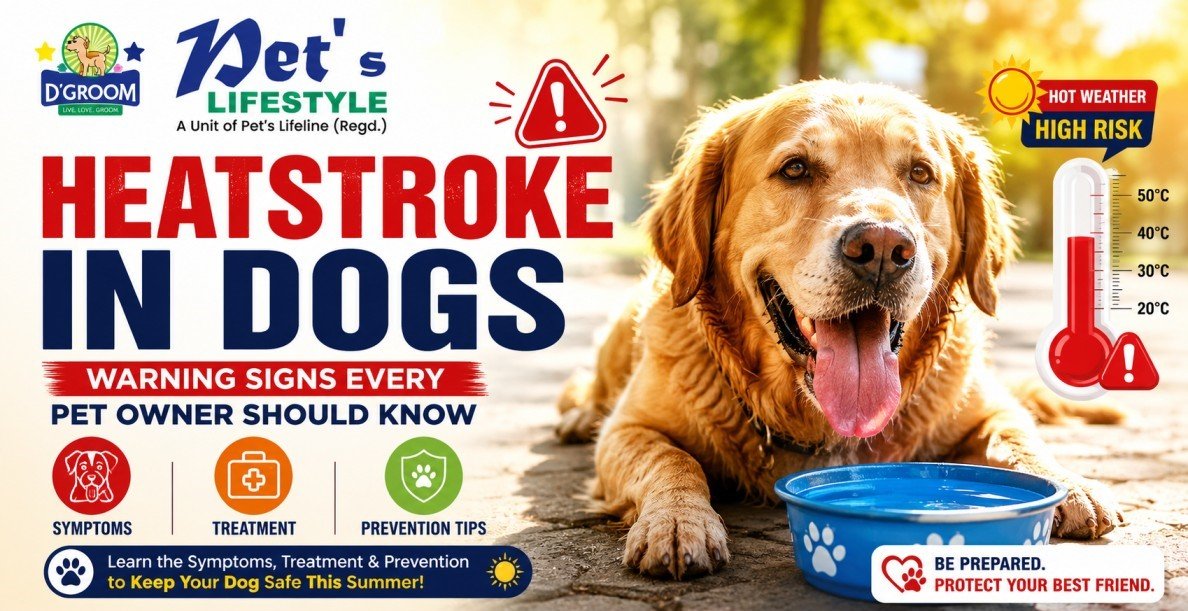
Heatstroke in Dogs: Warning Signs Every Pet Owner Should Know
As temperatures rise, heatstroke becomes one of the most serious health risks for dogs. Unlike humans, dogs cannot cool themselves efficiently through sweating. They primarily regulate body temperature by panting, making them highly vulnerable to overheating during hot and humid weather. Heatstroke in dogs is a medical emergency that can lead to organ failure, brain damage, and even death if not treated promptly.
Many pet owners underestimate how quickly a dog can overheat. Even a short walk during peak afternoon hours, excessive play in the sun, or being left in a poorly ventilated area can cause a dangerous increase in body temperature. Understanding the warning signs and knowing how to respond can save your dog’s life.
What Is Heatstroke in Dogs?
Heatstroke occurs when a dog’s body temperature rises above its normal range and the body can no longer cool itself effectively. A healthy dog’s body temperature typically ranges between 101°F and 102.5°F. When the temperature exceeds 104°F, the risk of heat-related illness increases significantly. Temperatures above 106°F can cause severe internal damage and become life-threatening.
Heatstroke can develop rapidly, especially in brachycephalic breeds such as Pugs, Bulldogs, and Shih Tzus, as well as overweight dogs, senior dogs, and puppies.
Common Causes of Heatstroke in Dogs
Dogs can suffer from heatstroke due to several environmental and physical factors. Prolonged exposure to hot weather, strenuous exercise during warm temperatures, lack of shade, inadequate water intake, and confinement in poorly ventilated spaces are among the most common causes.
Leaving a dog inside a parked car, even for a few minutes, is one of the leading causes of fatal heatstroke. Temperatures inside vehicles can rise dramatically within minutes, creating a deadly environment for pets.
Warning Signs of Heatstroke in Dogs
Recognizing the symptoms early is critical for preventing serious complications.
The first signs often include excessive panting and difficulty breathing. As the condition progresses, dogs may begin drooling excessively and appear restless or anxious. Their gums and tongue may turn bright red due to increased blood circulation.
If your dog suddenly appears weak, disoriented, or struggles to stand, these may be serious warning signs that immediate veterinary attention is needed.
Advanced symptoms of heatstroke include vomiting, diarrhea, rapid heart rate, lethargy, collapse, seizures, and loss of consciousness. At this stage, the dog’s organs may already be under severe stress.
What to Do If Your Dog Has Heatstroke
If you suspect heatstroke, move your dog to a cool, shaded area immediately. Offer small amounts of cool water and begin gradually lowering their body temperature. You can use cool, wet towels on the neck, chest, belly, and paw pads.
Avoid using ice-cold water or ice baths because sudden temperature changes can cause shock and worsen the condition.
Even if your dog appears to recover, veterinary examination is essential because internal organ damage may not be immediately visible.
How Veterinarians Treat Heatstroke
Veterinary treatment focuses on stabilizing body temperature, preventing organ damage, and managing complications. Treatment may include intravenous fluids, oxygen therapy, blood tests, monitoring of vital organs, and medications to address secondary issues such as inflammation or seizures.
Early intervention significantly improves recovery chances and reduces the risk of long-term health problems.
How to Prevent Heatstroke in Dogs
Prevention is always better than treatment. Ensure your dog has constant access to fresh drinking water and shade, especially during hot weather. Walk your dog during cooler hours such as early morning or late evening and avoid intense exercise during peak temperatures.
Never leave your dog inside a parked vehicle, regardless of how short the trip may seem.
Cooling mats, portable water bowls, and pet-safe cooling vests can provide additional protection during summer outings. Regular grooming can also help some breeds stay comfortable, although shaving double-coated breeds is generally not recommended without veterinary advice.
Final Thoughts
Heatstroke is a preventable but potentially fatal condition that every dog owner should take seriously. Understanding the early warning signs, responding quickly, and taking preventive measures can make all the difference.
If your dog shows symptoms such as excessive panting, weakness, vomiting, or collapse during hot weather, seek veterinary care immediately. Fast action can save your pet’s life and prevent severe complications.
Frequently Asked Question (FAQs)
What are the first signs of heatstroke in dogs?
The earliest signs of heatstroke in dogs include excessive panting, heavy drooling, rapid breathing, restlessness, and bright red gums. Immediate cooling measures should be started if these symptoms appear.
How long does it take for a dog to get heatstroke?
Heatstroke can develop within minutes in extreme temperatures, especially if a dog is left in a parked car, exercised excessively, or exposed to direct sunlight without adequate water and shade.
Can dogs recover from heatstroke?
Yes, dogs can recover from heatstroke if treated quickly. Early veterinary intervention greatly improves survival rates and reduces the risk of long-term organ damage.
Which dog breeds are most at risk of heatstroke?
Flat-faced breeds such as Pugs, Bulldogs, Boxers, and Shih Tzus are at higher risk. Puppies, senior dogs, overweight dogs, and pets with respiratory conditions are also more vulnerable.
How can I keep my dog cool during summer?
Provide fresh water, shade, proper ventilation, and avoid outdoor activities during the hottest parts of the day. Walking during early mornings or evenings and using cooling products can help prevent overheating.