
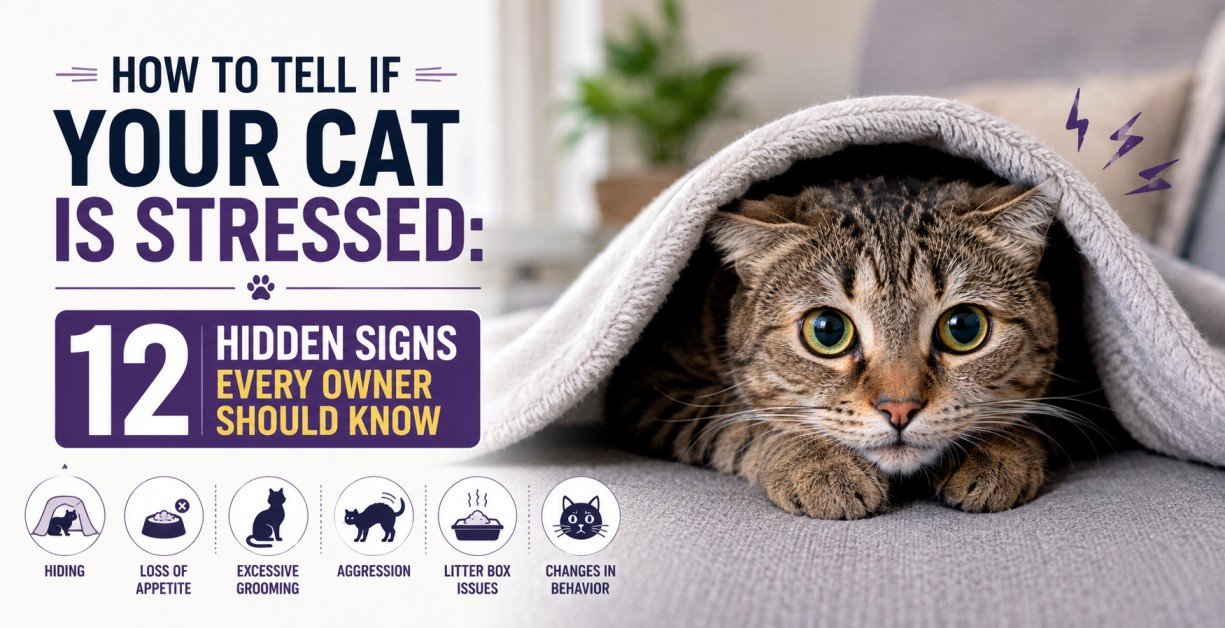
How to Tell If Your Cat Is Stressed: 12 Hidden Signs Every Owner Should Know
Cats are often seen as calm, independent, and adaptable pets, but they can experience stress just like humans. Unlike dogs, cats rarely show obvious signs when they are anxious or uncomfortable. Instead, they communicate through subtle changes in their behavior, eating habits, grooming routine, and body language. Because these signs are easy to overlook, many pet owners don’t realize their cat is struggling until the stress begins affecting its overall health.
Recognizing the early signs of stress can help prevent behavioral problems and medical conditions while improving your cat’s quality of life. Understanding what causes feline stress and how to create a safe, comfortable environment can make a significant difference in your cat’s emotional and physical well-being.
What Causes Stress in Cats?
Cats thrive on routine and familiar surroundings. Even small changes in their environment can trigger anxiety. Moving to a new home, introducing another pet, welcoming a new family member, loud noises, unfamiliar visitors, or changes in daily schedules can all affect a cat’s sense of security.
Some cats become stressed after visiting the veterinarian, traveling, or spending time in boarding facilities. Others may react to changes in litter, food, furniture placement, or even the scent of another animal entering the home. Every cat responds differently depending on its personality, age, and previous experiences.
Hiding More Than Usual
One of the earliest signs of stress is hiding. Cats naturally enjoy quiet places, but a stressed cat may spend unusually long periods under beds, inside closets, behind furniture, or in other secluded areas.
If your normally social cat suddenly avoids family members and spends most of the day hiding, it may be trying to cope with anxiety rather than simply seeking solitude.
Changes in Appetite
Stress often affects a cat’s eating habits. Some cats lose interest in food entirely, while others begin eating more than usual for comfort.
A sudden decrease in appetite should never be ignored because prolonged refusal to eat can lead to serious health complications, including liver disease. If your cat has stopped eating for more than 24 hours, consult your veterinarian promptly.
Excessive Grooming
Cats spend a considerable amount of time grooming themselves, but excessive licking may indicate emotional distress.
Some anxious cats repeatedly lick their belly, legs, or sides until bald patches appear. This condition, known as overgrooming, can result in skin irritation and hair loss if left untreated.
Increased Aggression
A stressed cat may become irritable and react aggressively toward people, children, or other pets. Hissing, growling, swatting, scratching, or biting can occur even without obvious provocation.
Fear and anxiety often make cats feel threatened, causing them to become defensive in situations they previously tolerated.
Avoiding the Litter Box
Stress is one of the most common behavioral causes of litter box problems.
A cat experiencing anxiety may begin urinating or defecating outside the litter tray, even if it has always been well-trained. Before assuming the problem is behavioral, it’s important to rule out medical conditions such as urinary tract infections or kidney disease.
Changes in Sleeping Patterns
Cats normally sleep between 12 and 16 hours each day. However, excessive sleeping or noticeable restlessness may indicate emotional stress.
Some stressed cats remain alert throughout the night, while others appear unusually tired because anxiety prevents them from getting quality rest.
Excessive Meowing
Some cats become much more vocal when stressed. Persistent meowing, crying, or unusual vocalizations can signal discomfort, loneliness, or anxiety.
On the other hand, naturally talkative cats may suddenly become unusually quiet when they are feeling overwhelmed.
Dilated Pupils and Body Language
A cat’s body language provides valuable clues about its emotional state.
Wide pupils, flattened ears, a tucked tail, crouched posture, or constant vigilance often indicate fear or anxiety. These signs become even more significant when accompanied by other behavioral changes.
Scratching Furniture More Frequently
Scratching is a normal feline behavior, but stress can increase the frequency and intensity.
Cats use scratching not only to maintain healthy claws but also to mark territory and relieve emotional tension. A sudden increase in destructive scratching may suggest that your cat is trying to cope with anxiety.
Reduced Interest in Play
Healthy cats are naturally curious and enjoy interactive play. A stressed cat may lose interest in favorite toys, avoid interaction, or seem withdrawn.
Reduced activity may also indicate underlying illness, making veterinary evaluation important if the behavior continues.
Trembling or Constant Alertness
Some cats remain constantly on edge when stressed. They may flinch at everyday sounds, jump easily, pace around the house, or appear unable to relax.
This heightened state of alertness often develops after frightening experiences or major environmental changes.
Digestive Problems
Stress doesn’t only affect behavior—it can also influence digestion.
Some cats develop vomiting, diarrhea, constipation, or changes in bowel habits during periods of prolonged anxiety. Because digestive symptoms may also indicate medical illness, persistent problems should always be evaluated by a veterinarian.
Why Long-Term Stress Is Dangerous
Chronic stress weakens a cat’s immune system and increases the risk of developing health conditions such as urinary tract disease, digestive disorders, obesity, skin problems, and behavioral issues.
Stress may also worsen existing medical conditions, making early recognition especially important. Addressing emotional well-being is just as essential as treating physical illness.
How to Help a Stressed Cat Feel Safe
Helping a stressed cat begins with understanding what is causing the anxiety. Maintaining a predictable daily routine provides reassurance and helps cats feel secure. Feeding, playtime, and quiet periods should occur at similar times each day whenever possible.
Providing safe hiding places, elevated resting areas, scratching posts, interactive toys, and quiet spaces allows cats to express natural behaviors while reducing stress. Gentle play sessions encourage physical activity and mental stimulation, helping anxious cats regain confidence.
If new pets are introduced, gradual introductions are essential. Forcing interactions too quickly often increases fear and territorial behavior.
Many cats also benefit from calming pheromone diffusers, environmental enrichment, and regular positive interaction with trusted family members.
When Should You See a Veterinarian?
While temporary stress may resolve on its own, persistent behavioral changes require professional evaluation.
Seek veterinary advice if your cat refuses food for more than a day, loses weight, develops bald patches from overgrooming, urinates outside the litter box repeatedly, becomes unusually aggressive, or experiences vomiting or diarrhea that continues for more than 24 hours.
Your veterinarian can determine whether the symptoms are caused by stress, an underlying medical condition, or a combination of both.
Preventing Stress in Cats
Although some stressful situations cannot be avoided, many can be minimized through thoughtful planning.
Maintaining a consistent routine, providing environmental enrichment, scheduling regular veterinary checkups, ensuring access to clean litter boxes, offering high-quality nutrition, and respecting your cat’s need for personal space all contribute to better emotional health.
Cats thrive when they feel safe, predictable, and in control of their surroundings.
Final Thoughts
Stress in cats often goes unnoticed because the signs are subtle and easy to mistake for normal behavior. Changes in appetite, excessive grooming, hiding, aggression, litter box problems, unusual vocalization, and digestive issues can all indicate that your cat is struggling emotionally.
By recognizing these hidden warning signs early and creating a calm, supportive environment, you can help your cat feel secure and prevent stress from affecting its long-term health. If the symptoms persist or worsen, consult your veterinarian to identify the underlying cause and develop the most appropriate treatment plan.
A happy, relaxed cat is more likely to remain healthy, active, and affectionate throughout its life.
Frequently Asked Question (FAQs)
How do I know if my cat is stressed?
Common signs include hiding, appetite changes, excessive grooming, unusual aggression, avoiding the litter box, excessive meowing, and reduced interest in play.
Can moving to a new home stress my cat?
Yes. Cats rely heavily on familiar surroundings, and moving is one of the most common causes of temporary stress and anxiety.
Can stress make my cat stop eating?
Yes. Stress can significantly reduce appetite, and if your cat refuses food for more than 24 hours, veterinary attention is recommended.
How long does stress last in cats?
Some cats recover within a few days, while others may need several weeks to adjust, depending on the cause and the support they receive.
When should I take my stressed cat to the veterinarian?
You should seek veterinary care if your cat stops eating, loses weight, becomes aggressive, develops digestive problems, overgrooms to the point of hair loss, or continues showing signs of stress for more than a few days.