10 Dog Breeds Most at Risk of Heatstroke: What Every Pet Owner Should Know
As temperatures rise, keeping your dog cool becomes more than just a matter of comfort—it can be a matter of survival. Every year, thousands of dogs suffer from heat-related illnesses, and some breeds are significantly more vulnerable than others. Understanding whether your dog is at higher risk for heatstroke can help you take proactive steps to protect their health during hot weather.
Heatstroke occurs when a dog’s body temperature rises to dangerous levels and they can no longer cool themselves effectively. Since dogs primarily regulate body temperature through panting, breeds with breathing difficulties or thick coats face a much greater risk.
Why Some Dog Breeds Are More Vulnerable
Several factors increase a dog’s susceptibility to heatstroke. These include short noses, thick fur, large body size, obesity, age, and underlying health conditions.
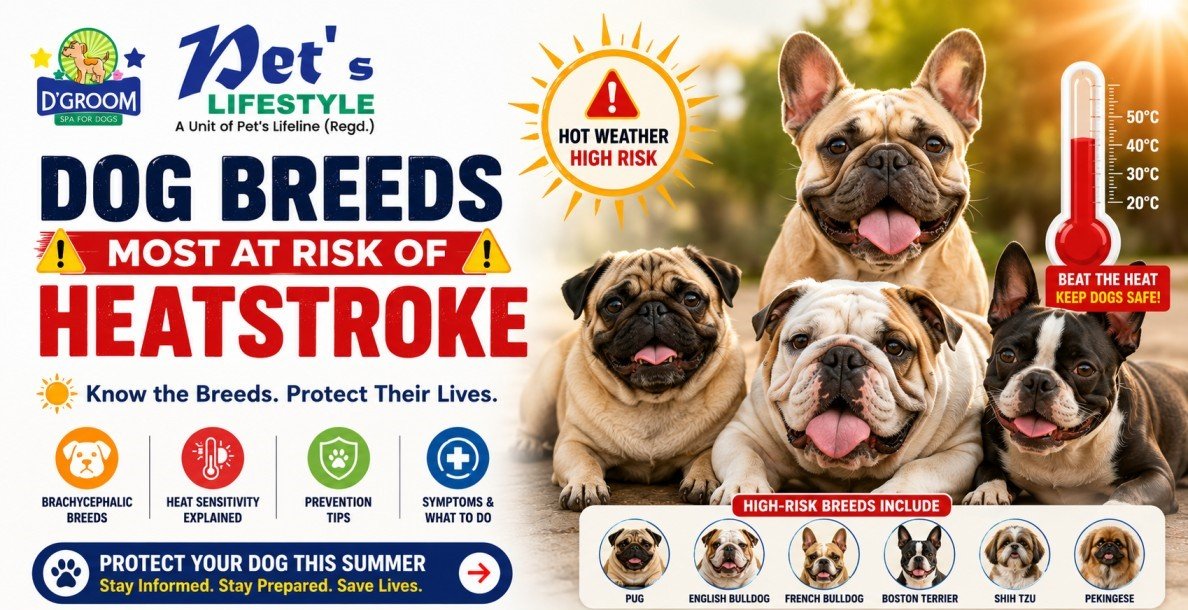
Dogs with flattened faces often struggle to cool themselves efficiently, making them among the highest-risk breeds during warm weather.
Let’s look at the breeds that require extra attention during summer months.
1. Pug
Pugs are one of the most heat-sensitive dog breeds. Their short muzzle and narrow airways make breathing less efficient, reducing their ability to cool down through panting.
Even moderate temperatures can cause a Pug to overheat if proper precautions are not taken.
2. English Bulldog
English Bulldogs are beloved for their calm personality, but their brachycephalic facial structure places them at significant risk.
Many Bulldogs can experience breathing difficulties even under normal conditions, making hot weather especially dangerous.
3. French Bulldog
French Bulldogs have become increasingly popular worldwide, but they are also among the breeds most commonly treated for heat-related emergencies.
Their compact airways make it difficult to release excess body heat efficiently.
4. Boxer
Although athletic and energetic, Boxers have shortened snouts that can make heat regulation challenging.
Owners should avoid intense exercise during warm parts of the day.
5. Shih Tzu
The Shih Tzu’s combination of a flat face and long coat can increase heat retention.
Regular grooming and indoor cooling are particularly important for this breed.
6. Chow Chow
Chow Chows possess one of the thickest coats in the canine world. While beautiful, this dense fur can trap heat and make summer conditions uncomfortable and potentially dangerous.
Special Care Tip:
Provide plenty of shade and fresh water and avoid prolonged outdoor activities.
7. Siberian Husky
Originally bred for cold climates, Huskies can struggle in hot and humid environments.
Their thick double coat provides insulation, but extreme temperatures can overwhelm their natural cooling abilities.
8. Saint Bernard
Saint Bernards are giant dogs with heavy coats and substantial body mass.
Large dogs generally generate more body heat and often take longer to cool down.
9. Newfoundland
Newfoundlands were bred for cold-water rescue work and possess thick, water-resistant coats.
Without proper cooling measures, they can become overheated quickly during summer months.
10. Cavalier King Charles Spaniel
While not as commonly discussed, this breed may face increased heatstroke risk due to respiratory and heart-related conditions that can affect temperature regulation.
Owners should monitor them closely during outdoor activities.
Additional Risk Factors Beyond Breed
Even dogs not listed above can develop heatstroke under certain conditions.
Risk factors include:
- Obesity
- Advanced age
- Puppyhood
- Heart disease
- Respiratory disorders
- High humidity
- Excessive exercise
- Lack of water
Any dog can suffer from heatstroke if exposed to extreme heat for too long.
Warning Signs of Heatstroke
Every dog owner should recognize the symptoms of overheating.
Common signs include:
- Excessive panting
- Heavy drooling
- Bright red gums
- Rapid heartbeat
- Weakness
- Vomiting
- Diarrhea
- Collapse
- Seizures
If these symptoms appear, immediate veterinary attention is essential.
How to Protect High-Risk Dog Breeds
Preventing heatstroke is far easier than treating it. Walk your dog during cooler hours, provide constant access to fresh water, and ensure shaded resting areas are available.
Never leave a dog inside a parked vehicle, even for a few minutes.
Cooling mats, fans, air-conditioned environments, and portable water bottles can help keep vulnerable breeds safe.
For high-risk breeds, avoiding the midday sun may be the single most effective preventive measure.
Final Thoughts
While every dog can be affected by extreme temperatures, certain breeds face a significantly higher risk of heatstroke due to their anatomy, coat type, or body size. Understanding your dog’s individual risk factors allows you to make safer choices during warm weather.
By recognizing the warning signs and taking preventive measures, you can help your furry companion stay healthy, comfortable, and protected all summer long.
Frequently Asked Question (FAQs)
Which dog breed is most likely to get heatstroke?
Pugs are often considered one of the highest-risk breeds because their short muzzle makes it difficult to cool themselves through panting.
Are flat-faced dogs more prone to heatstroke?
Yes. Brachycephalic breeds such as Bulldogs, Pugs, French Bulldogs, and Shih Tzus are significantly more vulnerable to overheating.
Can large dogs get heatstroke more easily?
Large breeds like Saint Bernards and Newfoundlands can be at higher risk because they generate and retain more body heat.
How can I keep my dog cool during hot weather?
Provide fresh water, shade, air conditioning when possible, and avoid walks during the hottest hours of the day.
What should I do if my dog shows signs of heatstroke?
Move your dog to a cool area immediately, offer cool water, begin gradual cooling, and contact a veterinarian as soon as possible.